Introduction
Land acquisition and real-estate expansion in Kerala have historically suffered from conflict, prolonged delays, and asymmetric information between landowners and developers.
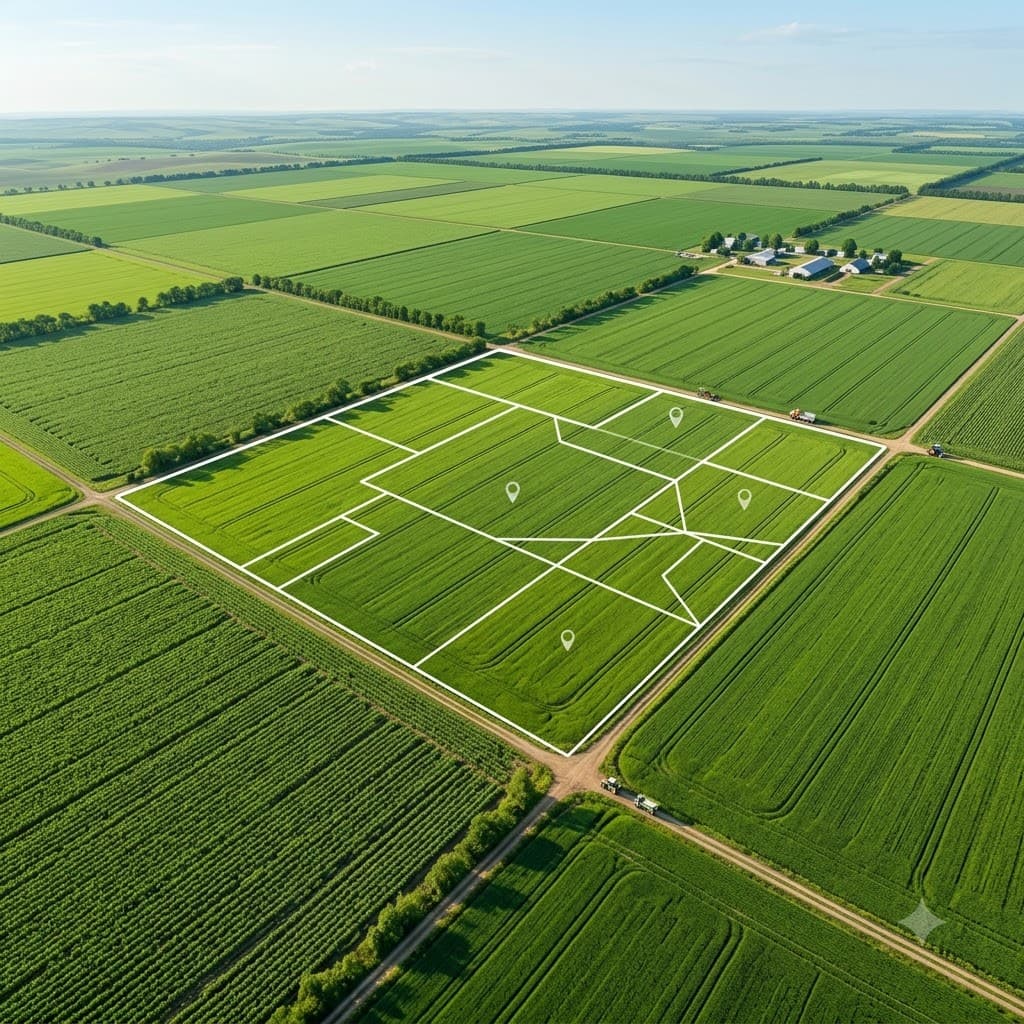
This comparative guide breaks down how structured land pooling fundamentally differs from conventional outright land acquisition.
Unlike traditional sales where landowners forfeit future appreciation, land pooling ensures landowners remain key beneficiaries of community growth.
The Structural Shift in Land Economics
Traditional development models treat land simply as an upfront purchase input. Once purchased, any future appreciation from municipal roads, tech parks, or retail centers flows entirely to the developer. Land pooling changes the contract: landowners partner with the process, retaining developed plots or equity shares.
How Land Pooling Works
Voluntary Opt-In
No forced acquisition; purely landowner-led clustering.
Neutral Valuation
Independent assessment of existing parcel attributes.
Zoning & Master Plan
Optimized planning compliant with regional master directives.
Developer Alignment
Reputed builders enter transparent joint frameworks.
Handover & Growth
Developed land returned with multiplied capital value.
Why Landowners Consider Land Pooling
Benefits of Land Pooling
Collaborative Governance
Landowners hold voice through recognized collective committees.
Institutional Due Diligence
Complete transparency on town planning rules and approvals.
Tax & Capital Optimization
Structured transfers minimize friction and distress taxation.
Land Pooling vs Traditional Development
| Aspect | Land Pooling | Traditional Development |
|---|---|---|
| Land ownership | Retain a share in developed value | Often sold outright |
| Development approach | Planned and collaborative | Individual and uncoordinated |
| Infrastructure & amenities | Integrated and well-planned | Limited or absent |
| Long-term value | Higher potential | Limited growth |
| Community benefit | Benefits multiple landowners | Primarily individual benefit |
Things Landowners Should Consider
Conclusion
Land pooling represents the civilized, forward-looking path for Kerala’s sustainable growth—uniting landowner security with developer capability.