Introduction
For decades, landowners in Kerala faced a difficult choice: sell land at fragmented market rates, or let productive parcels sit underutilized due to access or scale constraints.
Land pooling revolutionizes this paradigm by consolidating individual bargaining power into institutional scale, attracting top-tier development partners.
Pooled parcels typically command 35% to 60% higher realization value compared to isolated, fragmented land sales.
Why Consolidation Unlocks Multiplied Value
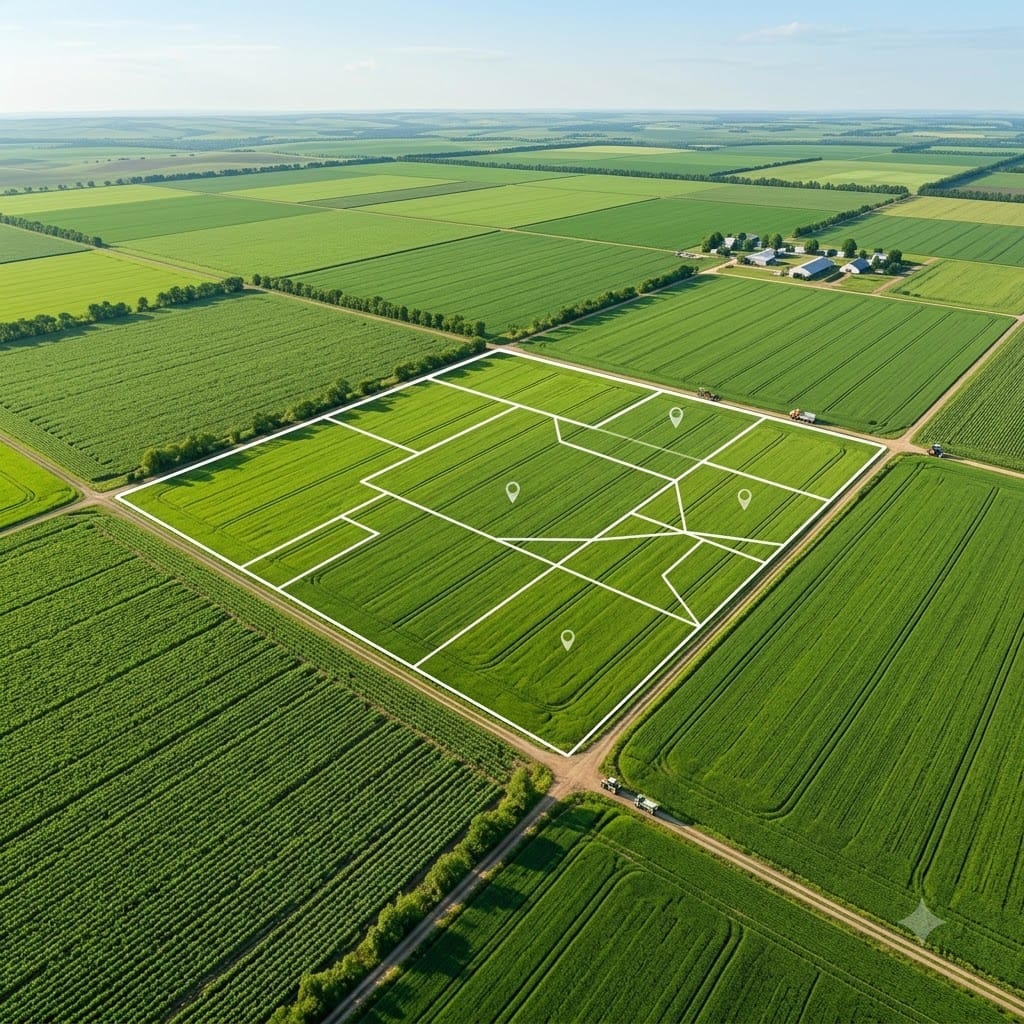
Individual plots often lack broad road access, modern drainage, or utility connectivity. When 10 to 50 adjacent parcels are clustered, infrastructure planning becomes economically viable, instantly transforming raw land into high-utility urban-grade assets.
How Land Pooling Works
Interest Aggregation
Local landowners align on common developmental goals.
Title Verification
Clear legal titles establish credible parcel clusters.
Master Layout
Urban planners formulate wide roads and open zones.
Infrastructure Delivery
Utilities, power, and road access are implemented.
Value Distribution
Landowners enjoy enhanced developed share value.
Why Landowners Consider Land Pooling
Benefits of Land Pooling
Enhanced Asset Valuation
Consolidated land yields premium commercial or residential returns.
World-Class Infrastructure
Wide access roads, underground utilities, and proper drainage.
Equitable Growth
All contributing landowners participate proportionally in upsides.
Zero Distress Pressure
Landowners are guided by certified legal and land experts.
Safe Legal Structure
Clean documentation vetted by institutional legal partners.
Land Pooling vs Traditional Development
| Aspect | Land Pooling | Traditional Development |
|---|---|---|
| Road Connectivity | 12m–24m planned internal arterial roads | Narrow uncoordinated right-of-ways |
| Market Reach | Grade-A institutional developers & funds | Limited local retail buyers |
| Risk Profile | Distributed and professionally managed | High single-landowner vulnerability |
Things Landowners Should Consider
Conclusion
By choosing land pooling over isolated sale, landowners transition from price-takers to long-term stakeholders in their region’s economic and urban progress.